

Introduction
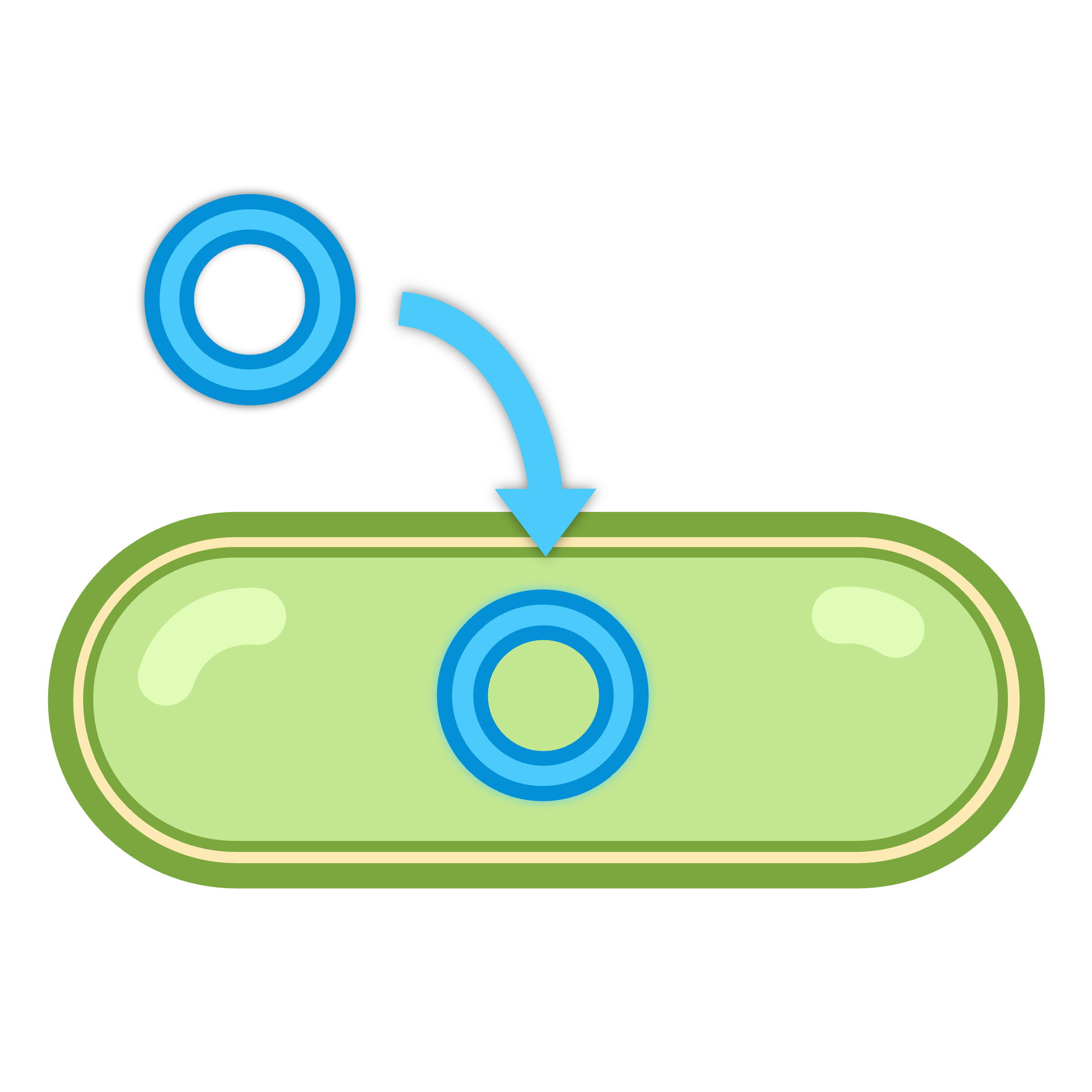
DNA Transformation introduces students to the process of moving engineered DNA into living cells, a foundational step in connecting molecular designs to observable biological outcomes. By learning how cells take up and maintain plasmid DNA, students see how transformation underpins applications ranging from basic research to biotechnology, medicine, and synthetic biology.
How DNA Transformation fits into the larger scope
DNA Transformation bridges DNA cloning and downstream protein expression and analysis. After assembling plasmids that encode their proteins of interest, students introduce these constructs into bacterial hosts to create living “factories” for gene expression. This module reinforces the idea that successful experiments depend not only on DNA design and assembly, but also on choosing and preparing the right host cells and transformation conditions.
Chemically competent E.coli transformation
In this submodule, students use chemically prepared E. coli cells to take up plasmid DNA through heat shock. They learn how ion-based treatments and temperature shifts temporarily make cell membranes more permeable, allowing DNA to enter. This activity emphasizes practical skills such as handling competent cells, optimizing DNA amounts, and using selection plates to identify successful transformants.
Electroporation (E.coli)
Electroporation introduces another widely used method for transforming E. coli, and other cell types, this time using carefully controlled electrical pulses. Students see how brief, high-voltage shocks open pores in the cell membrane, providing an efficient route for DNA entry. By comparing electroporation with heat shock transformation, they gain insight into how different methods offer trade-offs in efficiency, cell viability, and experimental flexibility.
Host cell types
In this submodule, students explore the role of host cell choice in molecular biology and biotechnology. They are introduced to cloning strains and protein expression strains to learn how genetic background and cellular machinery influence experimental design. This section highlights how selecting the appropriate host is an integral part of the design process.